7 Benefits of Seeking Orlando Counseling for BIPOC Communities
In today's world, taking care of mental health is more important than ever, especially for BIPOC communities who face unique challenges. Seeking counseling in Orlando can provide a wealth of benefits that go beyond just coping with stress. Let's delve into some of the key reasons why counseling can be a life-changing resource for these communities.
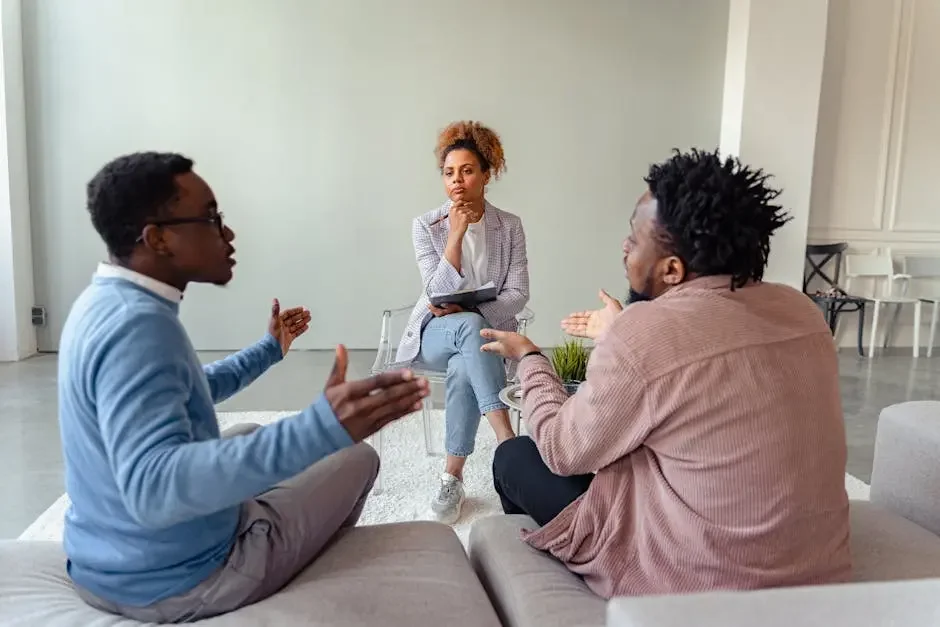
1. Cultivating a Safe Space for Expression
Orlando counseling provides a safe, non-judgmental space where BIPOC individuals can openly express their thoughts and emotions. This environment is crucial for addressing issues such as discrimination and cultural stressors unique to these communities. When individuals feel heard and understood, it fosters a sense of belonging and acceptance, which can be particularly empowering for those who have historically been marginalized. In a world where systemic biases still exist, having this sanctuary can profoundly impact one's mental and emotional health. Counselors facilitate this by creating an atmosphere of trust and confidentiality, allowing clients to explore their feelings without fear of repercussion or misunderstanding.
A supportive counseling environment can also help deconstruct stigmas around mental health, particularly in communities that may have traditionally dismissed these services as unnecessary or even shameful. Emphasizing that needing mental health support is not a sign of weakness but rather a courageous step towards self-improvement can have a positive ripple effect within BIPOC families and beyond. This paradigm shift encourages more individuals to seek help, knowing they are in a safe and nurturing place.
2. Understanding Cultural Context
Counselors in Orlando are trained to understand the cultural contexts of their clients, making it easier for BIPOC individuals to connect with professionals who get their background and experiences. This cultural competence is crucial as it allows therapists to tailor their approach according to nuances specific to the client’s cultural identity. When therapists acknowledge and respect these cultural dimensions, it strengthens the therapeutic alliance, paving the way for more effective treatment outcomes. This understanding also helps break down preconceived notions that might exist within the counseling process, making therapy more relatable and accessible.
Culturally informed counseling takes into account factors like family dynamics, communication styles, and societal pressures that vary across different backgrounds. By addressing these elements, professionals can help clients navigate identity-related challenges and foster a more robust self-concept. Studies have shown that when therapy practices integrate cultural understanding, there is a marked improvement in client satisfaction and overall therapy success. Equipping clients with a culturally sensitive lens can empower them to self-advocate and integrate these insights into their everyday living cultural competence and understanding.
3. Addressing Racial Trauma
BIPOC communities often face racial trauma that can impact mental wellness. Counseling provides a platform to address these issues, helping individuals to navigate their experiences and heal. Racial trauma, characterized by race-based distress, can manifest as psychological and physiological distress. It is rooted in historical and ongoing racial bias and discrimination, and its consequences are far-reaching. Counseling offers a sanctuary for exploring these painful experiences and an opportunity to mirror the validation that society might fail to provide.
Therapists help clients process racial trauma through several therapeutic approaches, including cognitive-behavioral strategies and narrative therapy. Engaging in these therapies can lead to a profound understanding and integration of traumatic experiences, alleviating symptoms often associated with racial stress, such as anxiety and hyper-vigilance. In doing so, counseling acts as a transformative journey, not only reducing emotional burden but also emboldening BIPOC individuals to harness their resilience. Healing from racial trauma is not only vital for individual well-being but also for empowering entire communities to advocate for systemic change.
4. Building Community Connections
Counseling can help strengthen bonds within BIPOC communities by encouraging open dialogue and understanding. This fosters a more connected and supportive community environment. By promoting storytelling and shared experiences within therapy, individuals can realize that their journeys and struggles are not isolated. This realization can break down feelings of alienation and promote a sense of unity and shared purpose. The ripple effect of individual empowerment often leads to collective movements where community members support each other's growth and healing.
Community-focused counseling initiatives often incorporate group therapy sessions, which can be ideal forums for discussing common challenges and triumphs. These settings provide a unique opportunity to build empathy and understanding among participants, paving the way for communal healing and solidarity. Additionally, counselors can assist communities in developing actionable plans for addressing common issues, such as advocating for social justice or increasing access to community resources. By reinforcing a communal identity, counseling plays a significant role in bolstering the fabric of BIPOC communities.
5. Enhancing Coping Mechanisms
Through counseling, individuals can learn effective coping strategies tailored to their specific experiences, empowering them to manage challenges more resiliently. BIPOC individuals often encounter a unique blend of stressors that require equally unique coping mechanisms. In therapy, clients can work with counselors to develop strategies that leverage personal strengths and cultural resources, turning barriers into growing opportunities. This might include traditional practices, mindfulness, and modern therapeutic techniques that collectively help build resilience against challenges.
Learning these strategies does not happen in isolation but within the broader context of a supportive counseling relationship. This mentorship dynamic allows individuals to test out strategies in a safe environment and receive constructive feedback, promoting gradual and sustained growth. Overall, the development of personalized coping skills not only assists in the management of current stressors but also fortifies clients against future adversities, contributing to lifelong mental health benefits.
6. Fostering Personal Growth
Counseling offers opportunities for personal development by encouraging clients to explore their inner strengths and cultivate a stronger sense of identity and purpose. Through personalized therapy plans, clients are guided in self-reflection and self-discovery processes that allow them to understand their values, beliefs, and dreams more clearly. This journey of introspection often reveals untapped potential and possibilities for growth that might not have been apparent before therapy.
The therapeutic process encourages individuals to consider their identities beyond systemic oppression and stereotypes, fostering empowerment and a positive self-identity. Therapists support clients in breaking free from societal expectations and limitations, encouraging them to pursue lives that align with their authentic selves. Furthermore, this process boosts self-efficacy, helping individuals make conscious decisions towards achieving personally meaningful goals.
7. Supporting Mental Wellness
The ultimate goal of counseling is to support the mental wellness of BIPOC communities by providing them with tools and strategies to live healthier, happier lives. Effective mental healthcare recognizes the intersectionality of race, culture, and mental health, and works to provide holistic care that addresses these interconnected components. Accessibility to resources plays an instrumental role here, ensuring that all individuals, regardless of their backgrounds, have equitable opportunities to thrive.
Mental wellness is strengthened when individuals feel supported, validated, and empowered through counseling engagements. As BIPOC individuals gain confidence in managing their mental health, they often become advocates for wellness within their communities, inspiring others to seek similar opportunities for growth and health. By fostering a culture of care and inclusivity through counseling, BIPOC communities can build lasting foundations for improved well-being at both the individual and collective levels.